
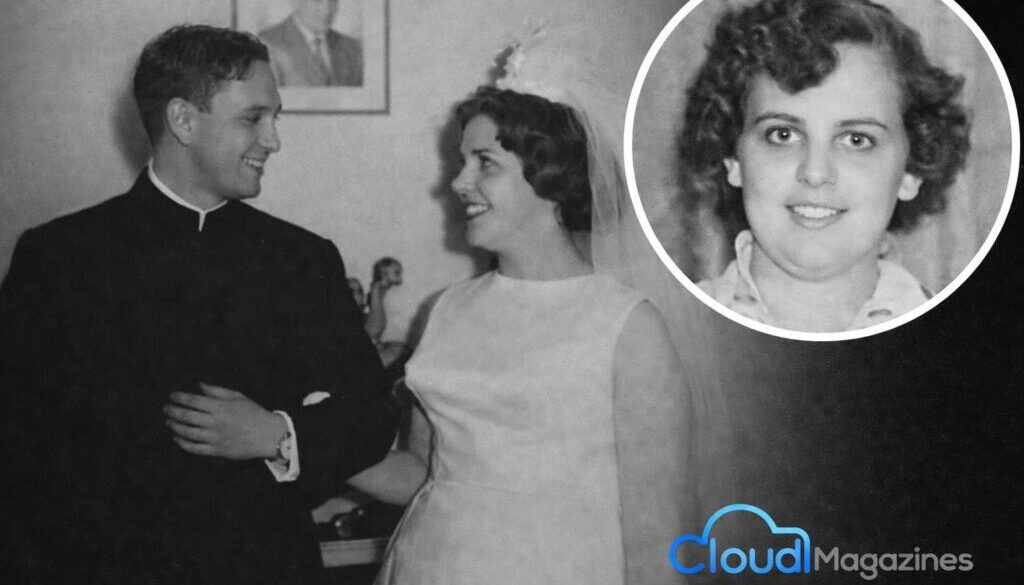
Marta Regina Bergoglio: All You Need to Know About Pope Francis’s Sister
Marta Regina Bergoglio may not be a household name across the world, but she holds a very special place in one of the most remarkable family stories of the modern era. She was the sister of Pope Francis, born into a humble Argentine household that shaped the values of faith, love, and simplicity. Her life, though lived quietly away from public attention, is a story worth knowing. She was a daughter, a sister, a wife, and a mother who carried her family’s Italian roots with quiet pride.
People who search for her name are often drawn in by curiosity about the Pope’s personal life and background. But Marta deserves to be understood as her own person, not just as a footnote in someone else’s story. Her presence in the Bergoglio family was important, steady, and deeply personal. She lived and died in Buenos Aires, the city that shaped everything she knew. This biography tells her full story in a clear, honest, and respectful way.
This article covers her birth, childhood, family background, personal life, marriage, children, and the years that followed. It also reflects on her legacy within the Bergoglio family and what her life tells us about the world that produced Pope Francis. Whether you are a researcher, a curious reader, or someone who simply wants to know more, this guide gives you everything available about Marta Regina Bergoglio.
Quick Bio: Marta Regina Bergoglio
| Category | Details |
|---|---|
| Full Name | Marta Regina Bergoglio (later Narvaja) |
| Date of Birth | August 24, 1940 |
| Place of Birth | Flores, Buenos Aires, Argentina |
| Date of Death | July 11, 2007 |
| Age at Death | 66 years |
| Nationality | Argentine (Italian heritage) |
| Father | Mario Jose Bergoglio |
| Mother | Regina Maria Sivori |
| Spouse | Enrique Narvaja |
| Famous Sibling | Pope Francis (Jorge Mario Bergoglio) |
| Other Siblings | Oscar Adrian, Alberto Horacio, Maria Elena |
| Children | Pablo Mario, Maria Ines, Agustino, Jose Luis, Lucia (Narvaja) |
Early Life and Birth
Marta Regina Bergoglio was born on August 24, 1940, in the neighborhood of Flores in Buenos Aires, Argentina. Flores was a working-class area filled with immigrant families who had come from Europe in search of a better life. It was a place where neighbors knew each other, where faith was practiced openly, and where the values of hard work and family loyalty ran deep. Growing up there shaped Marta and all of her siblings in lasting ways.
Her parents, Mario Jose Bergoglio and Regina Maria Sivori, had created a modest but loving home. Mario had immigrated from Italy in 1929 to escape the rise of Mussolini’s regime. He found work as a railway accountant in Argentina, and though the family was never wealthy, they were stable, close, and full of warmth. Regina, her mother, was born in Argentina but came from a family with roots in the Liguria and Piedmont regions of Italy. She was the heart of the household, leading nightly prayers and keeping her children grounded.
Marta was the third of five children in the family. Growing up in such a household meant growing up with structure, faith, and a clear sense of identity. The children spoke about Italy the way you speak about a homeland you have never seen but deeply belong to. Family stories, Italian customs, and Catholic traditions filled the home every single day. Marta was raised in this environment and it defined her character for the rest of her life.
Family Background and Italian Roots
The Bergoglio family story begins in Italy, long before Marta was born. Her paternal grandfather, Giovanni Angelo Bergoglio, left Italy as a young man and settled in Argentina with his wife, Rosa Vassallo. They arrived in 1929 during a wave of Italian migration that brought thousands of families to South America. Their son Mario, Marta’s father, was part of that generation that had to rebuild everything from scratch in a new land.
One remarkable piece of family history is the story of the ship that could have changed everything. The Bergoglio family had planned to travel on the SS Principessa Mafalda, a passenger ship that later sank with great loss of life. A last-minute change in plans kept the family off that ship. This story was passed down through generations and became part of the family’s sense of providence and faith. Marta grew up hearing this story and it reinforced the belief that their lives had been guided by something larger than themselves.
Her mother’s side of the family also came from Italy, specifically from regions in northern Italy known for their strong community culture. This double Italian heritage gave the Bergoglio children a very particular identity. They were Argentine in language and daily life, but Italian in spirit and tradition. Marta carried this dual identity with her throughout her life, and it was visible in the way the Bergoglio family prayed, cooked, spoke, and loved one another.
Growing Up in the Bergoglio Home
The Bergoglio household had five children: Jorge Mario, who would later become Pope Francis, Oscar Adrian, Marta Regina, Alberto Horacio, and the youngest, Maria Elena. Jorge was the eldest and Marta was third in line. Each child had a distinct personality, but they were united by the shared values their parents had worked so hard to instill. Faith was not just practiced on Sundays in this home. It was woven into everything.
Their mother Regina was known for gathering the children for prayer every evening. Their father Mario worked hard and supported his children’s curiosity and ambitions. When Jorge began to show an interest in theology as a teenager, his father encouraged him rather than discouraging him. The same supportive energy was present for all the children, including Marta. The home was a place where you were allowed to grow into who you were meant to be.
Marta’s childhood was simple by most standards, but it was rich in the things that matter most. There was music, faith, food, storytelling, and the kind of closeness that only comes from living in a small house with a big family. She and her siblings would later describe their upbringing as deeply loving, even through difficult times. That foundation stayed with Marta throughout her adult life and shaped everything from her values to the way she raised her own children.
Education and Personal Development
Detailed public records about Marta’s formal education are not widely available, which reflects just how private the Bergoglio family has always been about personal matters. What is known is that she grew up in a household that valued learning, curiosity, and personal growth. Her father worked in accounting, which required precision and education. Her mother was a thoughtful woman who read to her children and emphasized the importance of moral development alongside academic learning.
Like many Argentine girls of her era and social background, Marta would have received her foundational education through the Catholic school system. Education in Argentina during the 1940s and 1950s for working-class families was closely tied to the church, and faith was integrated into classroom learning just as naturally as reading and writing. This would have reinforced everything Marta was already learning at home about religion, community, and responsibility.
As she grew into a young woman, Marta developed the quiet, steady character that those who knew her would later describe. She was not someone who sought attention or public recognition. She valued private life, personal relationships, and the simple routines of daily living. In a family that would eventually produce a global spiritual leader, Marta’s choice of a grounded and humble life was its own kind of statement about what the Bergoglios believed in.
Marriage and Family Life
Marta Regina Bergoglio married a man named Enrique Narvaja, and after her marriage she became known as Marta Regina Narvaja. The exact date of their wedding is not part of the public record, which is consistent with how carefully the Bergoglio family has guarded their personal details over the decades. What is known is that she and Enrique built a life together in Buenos Aires and raised a family of their own.
According to genealogical records that have been compiled over the years, Marta and Enrique had several children together. Some of the names that appear in family trees and research records include Pablo Mario Narvaja, Maria Ines Narvaja, Agustino Narvaja Bergoglio, Jose Luis Narvaja Bergoglio, and Lucia Narvaja Bergoglio. These children have all remained private and have not sought any public presence, which speaks to a family culture that values privacy above recognition.
Marta lived the kind of life that most people simply call a good life. She was a wife, a mother, a daughter, and a sister. She attended to her family with the same dedication that her parents had shown her. She stayed in Buenos Aires, close to her roots and close to her siblings. She was present for family gatherings, important moments, and ordinary Tuesdays. Her life was not dramatic by public standards, but it was full and meaningful by the standards that matter to those who loved her.
Her Bond with Pope Francis
Among all of Marta’s relationships, her bond with her elder brother Jorge Mario Bergoglio stands out as especially significant. Jorge was four years older than Marta, and they grew up sharing the same household, the same prayers, and the same family stories. Long before Jorge became a Jesuit priest and decades before he was elected Pope in 2013, he was simply Marta’s older brother. That relationship had its own private warmth that no papal title could replace or change.
Marta supported her brother throughout his journey in ways that the public never fully saw. When someone in your family chooses the priesthood, it changes the family dynamic in quiet but lasting ways. You learn to see your sibling through two lenses at once: the spiritual leader they are becoming and the person you grew up with. Marta held both of those images with care. She celebrated his achievements without making them her identity, and she mourned the distance that his vocation sometimes created.
By the time Jorge was appointed Archbishop of Buenos Aires in 1998, Marta was already living her own full life with her husband and children. She witnessed his rise with the pride and affection of a sister, not a public figure. When he was elected Pope Francis in March 2013, Marta had already passed away six years earlier. She never got to see that historic moment, which remains one of the quiet sorrows in the story of the Bergoglio family.
Life in Buenos Aires
Buenos Aires was not just the city where Marta was born. It was the city that defined her entire life. She spent her childhood there, received her education there, married there, raised her children there, and died there. For Marta, Buenos Aires was not a backdrop but a living reality. The streets of Flores, the neighborhood churches, the sounds of tango in the air, the smell of coffee and empanadas from nearby kitchens: all of this was her world.
The city of Buenos Aires in the mid-twentieth century was a complex place. It was politically turbulent, economically uncertain at times, and culturally rich in ways that few cities can match. The Bergoglio family lived through Argentina’s many political changes, economic crises, and social transformations. Like most working-class families, they adapted, survived, and held onto their faith as a source of stability. Marta was part of this story not just as a passive witness but as someone who lived it fully.
Her connection to Buenos Aires also meant a connection to a deeply Catholic Argentine culture. Religious festivals, community events, and neighborhood traditions all formed part of everyday life. The local church was not just a place of worship but a social center. Marta’s faith, shaped first by her parents and later deepened by her own experiences, was lived out within this community context. She was, in every sense of the phrase, a daughter of Buenos Aires.
Personality and Character
Those who knew Marta Regina Bergoglio describe her in terms that echo the values of the Bergoglio household: humble, warm, family-oriented, and deeply faithful. She was not the kind of person who sought recognition or placed herself at the center of any room. She preferred the company of people she loved to public gatherings, and she found meaning in the everyday rhythms of family life rather than in achievements that could be measured and displayed.
Her personality was shaped in a household where simplicity was a virtue, not a limitation. Her father worked a steady job and never chased wealth. Her mother kept the home running with grace and dedication. These were the models Marta observed and internalized from a young age. By the time she became a wife and mother herself, those values were already deeply embedded. She brought them into her own home and passed them on to her children in the same quiet, consistent way.
There is something powerful about a person who chooses to live with integrity away from any spotlight. Marta never used her family connection for personal gain or public attention. She lived her life entirely on her own terms, defined by love and faith rather than fame or recognition. In a world that constantly rewards visibility, her quiet commitment to private life was both rare and admirable.
The Siblings and Their Fates
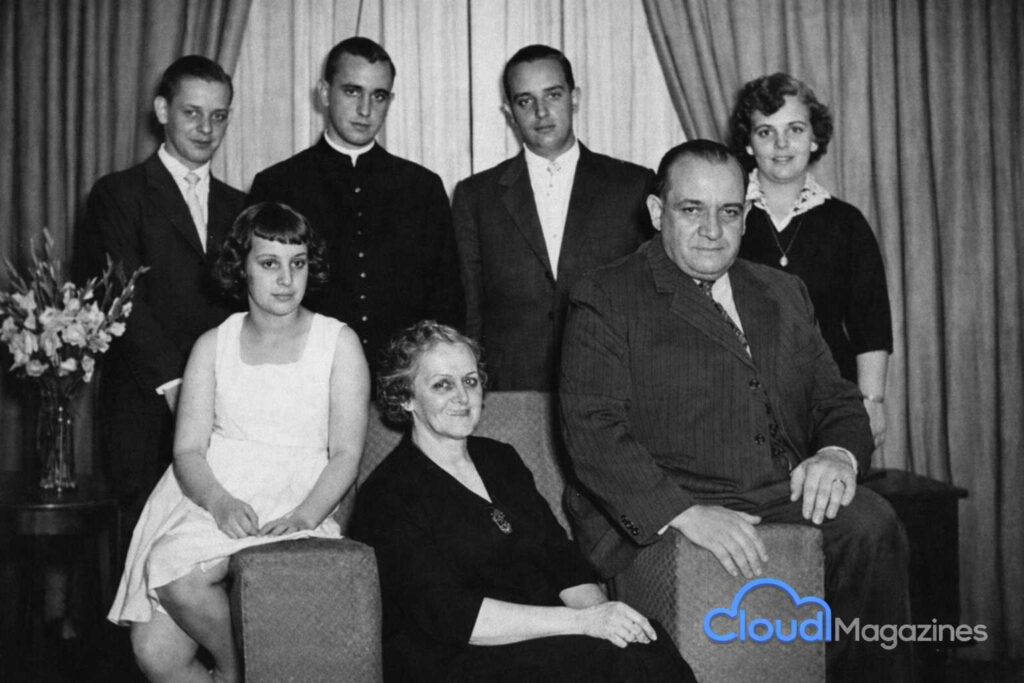
The five Bergoglio children each took different paths through life, but they remained connected by the bonds formed in that small home in Flores. Jorge became a priest and eventually the Pope. Oscar Adrian followed a different path entirely and passed away in 1997, the first of the siblings to die. Alberto Horacio, another of the brothers, passed away in 2010. Marta herself died in 2007. Of the five children born to Mario and Regina Bergoglio, only the youngest, Maria Elena, is still alive as of 2026.
The losses within the Bergoglio family have been significant. Pope Francis, in his memoir titled “Hope,” wrote movingly about how his family had known a great deal of sadness but had always found a way to laugh and smile even through pain. That resilience was not accidental. It came from parents who modeled it and from a family culture that treated grief as something to be carried together rather than alone. Marta was part of that culture, both as someone who experienced loss and as someone who helped carry others through it.
Maria Elena, the surviving sister, has spoken warmly about her family over the years. She lives in Argentina and has maintained the same commitment to privacy that characterized all of the Bergoglio children. The legacy of their parents, Mario and Regina, lives on through Maria Elena and through the memories that friends and extended family still carry of Oscar, Alberto, and Marta.
Death and Passing
Marta Regina Bergoglio passed away on July 11, 2007, in Buenos Aires, Argentina. She was 66 years old at the time of her death. The specific cause of her passing has not been disclosed publicly, which is consistent with the Bergoglio family’s longstanding commitment to keeping personal matters private. Her burial details also remain unknown to the public record.
Her death came six years before her brother Jorge was elected Pope Francis in 2013. This timing is one of the quiet tragedies in the Bergoglio family story. Marta never witnessed what is arguably the most extraordinary chapter in her family’s history. She passed away knowing her brother was an Archbishop, a respected figure in the Catholic Church, but the global recognition that followed his election as Pope came after she was already gone.
Those who knew her mourned someone who had been a faithful presence in their lives. A mother, a wife, a sister, and a friend to many in her Buenos Aires community. Her death left a space in the Bergoglio family that, like all such spaces, was not filled but slowly, carefully, learned to be lived around. Her memory remained alive in the stories her children carried forward and in the family bonds that her presence had helped to strengthen over the decades.
Legacy and Remembrance
Marta Regina Bergoglio’s legacy is not measured in public accomplishments or headlines. It is measured in the children she raised, the relationships she maintained, and the quiet dignity with which she lived her entire life. She was a woman of faith, family, and simplicity, which are values that the Bergoglio family has consistently demonstrated across generations. Her legacy is woven into the fabric of that family story in ways that are invisible to the public but deeply real to those who were part of it.
In the years since Pope Francis rose to global prominence, interest in the Bergoglio family has grown considerably. Researchers, journalists, and curious readers around the world have sought to understand the people and experiences that shaped him. Marta is a part of that story, not as a supporting character but as a full human being in her own right. Her presence in the family was real and formative. The values she shared with her siblings came from the same source and shaped each of them in their own distinct ways.
As of 2026, Marta’s children and grandchildren continue to live private lives in Argentina. None of them have sought public attention, which is deeply in keeping with the family culture that Marta herself embodied. The Bergoglio name carries extraordinary weight in the world today, but for those closest to it, it remains simply the name of a family that tried to live with faith, love, and honesty. Marta Regina Bergoglio lived that intention every day of her life, and that is a legacy worth honoring.
Conclusion
Marta Regina Bergoglio lived a life that most of the world will never fully see or appreciate. She was not famous by any conventional measure. She did not hold public office, write books, or lead organizations. But she was real, and her life mattered in all the ways that private lives matter. She was loved, she loved in return, and she contributed to a family that has left a mark on the entire world through the person her brother became.
Understanding Marta is part of understanding Pope Francis, and it is also part of understanding something more universal: the way ordinary families produce extraordinary people through years of patience, faith, and quiet dedication. She is gone, but the values she lived by are still visible in the people who carry her memory. That is legacy enough for anyone.
For those who want to know more about the Bergoglio family history, the story of Marta Regina is an honest and human place to begin.
Frequently Asked Questions (FAQs)
1. Who was Marta Regina Bergoglio?
Marta Regina Bergoglio was the sister of Pope Francis and a member of the Bergoglio family from Buenos Aires, Argentina. She lived a private life focused on family, faith, and community, away from public attention.
2. When was Marta Regina Bergoglio born and when did she die?
She was born on August 24, 1940, in Flores, Buenos Aires, and passed away on July 11, 2007, at the age of 66.
3. What was Marta Regina Bergoglio’s relationship with Pope Francis?
Marta Regina Bergoglio was the younger sister of Pope Francis (Jorge Mario Bergoglio). They shared a close family bond and were raised together in a deeply religious and supportive household.
4. Did Marta Regina Bergoglio have a family of her own?
Yes, she married Enrique Narvaja and had several children. She dedicated much of her life to raising her family and maintaining strong family values.
5. Why is Marta Regina Bergoglio important in the Bergoglio family story?
Although she lived a private life, Marta played an important role within her family. Her upbringing, values, and close relationship with her siblings contributed to the strong foundation that shaped Pope Francis and the Bergoglio legacy.
—————————
Other Articles:
Who Is Donna Joan Shaffer-Ackles? All About The Life Of Jensen Ackles’ Mother
Kieran Lindsay Lieberthal: All About the Life of Keith Lieberthal and Julianna Margulies’s Son
Who Is Charles Ezekiel Mozes? The Untold Story Of Danny Mozes and Cynthia Nixon’s Son
Who is Cheryl Johnson-LaVine? All About the Life of Zach LaVine’ Father
Who Is Amy Sherrill? All About The Life of Tim Duncan’s Ex-Wife