Marilyn Kroc Barg: All About the Life of Ethel Janet Fleming and Ray Kroc’s Daughter
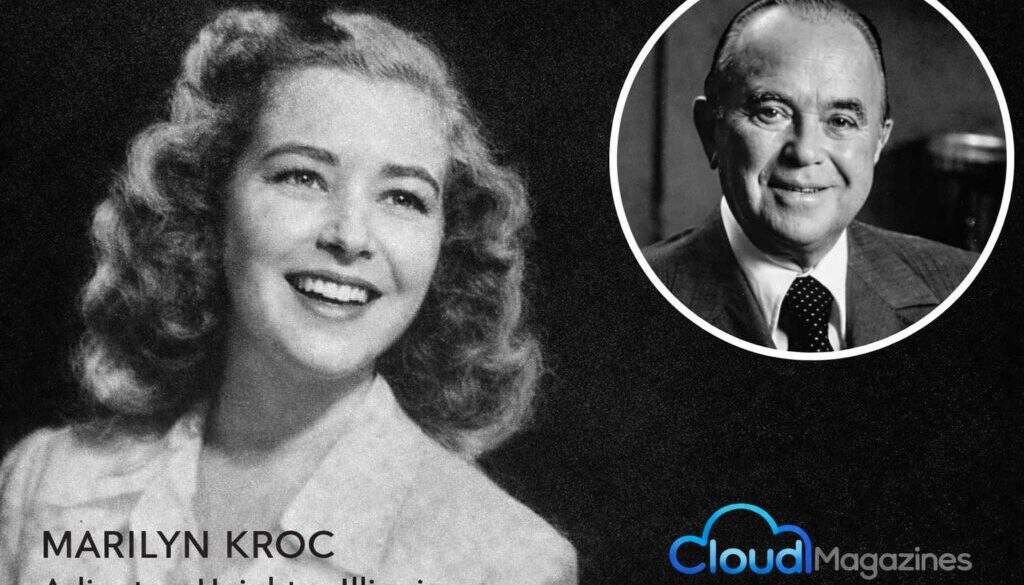
Marilyn Kroc Barg was an American businesswoman and philanthropist who is best remembered as the only daughter of Ray Kroc, the visionary entrepreneur who built McDonald’s Corporation into a global fast-food empire. Despite growing up in the shadow of one of the most recognizable business names in history, Marilyn forged her own identity rooted in compassion, generosity, and quiet purpose. She was not someone who sought headlines or spotlights. Instead, she found meaning in helping others and living a life guided by her own values.
What makes Marilyn’s story worth telling is precisely how different it is from her father’s. Ray Kroc was bold, public, and driven by ambition. Marilyn was warm, private, and driven by empathy. Together, their stories form two very different sides of the same family legacy. While her name may not appear on every McDonald’s history page, her contributions to charitable causes, particularly in healthcare and family support, have outlasted her by decades. Her life, though short, was full of meaning.
Quick Bio: Marilyn Kroc Barg
| Category | Details |
|---|---|
| Full Name | Marilyn Kroc Barg |
| Date of Birth | October 15, 1924 |
| Place of Birth | Chicago, Illinois, United States |
| Date of Death | September 11, 1973 |
| Age at Death | 48 years |
| Place of Death | Arlington Heights, Cook County, Illinois, USA |
| Cause of Death | Complications from diabetes |
| Nationality | American |
| Ethnicity | White Caucasian |
| Religion | Not publicly disclosed |
| Father | Ray Kroc (Founder of McDonald’s Corporation) |
| Mother | Ethel Janet Fleming |
| Siblings | None (Only child) |
| Marital Status | Married |
| First Husband | Sylvester Nordly Nelson (m. 1949 – divorced) |
| Second Husband | Walter James Barg (m. 1960 – until her death in 1973) |
| Children | Not publicly known |
| Profession | Philanthropist |
| Known For | Philanthropy, association with Ronald McDonald House Charities |
| Major Contributions | Support for Ronald McDonald House Charities, healthcare initiatives, Salvation Army, and arts funding |
| Hobbies & Interests | Horse riding, horse breeding, art collecting |
| Health Condition | Diabetes |
| Burial Place | Memorial Park Cemetery, Skokie, Illinois, USA |
| Estimated Net Worth | Approximately $600,000 (at the time of death) |
| Famous For | Being the only daughter of Ray Kroc and her lasting charitable legacy |
| Legacy | Continued impact through Ronald McDonald House Charities and support for families in medical need |
Early Life and Family Background
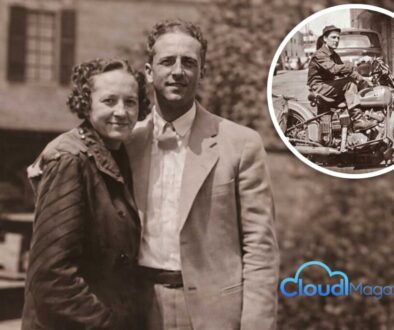
Marilyn Kroc was born on October 15, 1924, in Chicago, Illinois, at a time when her father was still a young man struggling to find his footing in the world. Ray Kroc worked as a paper cup salesman and later a milkshake machine salesman during Marilyn’s childhood years, which meant the family lived modestly. Marilyn grew up as the only child of Ray and his first wife, Ethel Janet Fleming, a woman who kept a low public profile throughout her life. The household was stable but far from wealthy, and Marilyn’s early years reflected the realities of a middle-class American family in the 1920s and 1930s.
Growing up in Chicago gave Marilyn a grounded, Midwestern upbringing. She spent her childhood with her parents in their hometown, attending school and building the kind of ordinary life that would later stand in quiet contrast to her father’s extraordinary rise. While details of her schooling are not widely documented, it is clear that her environment shaped in her a deep sense of community and care. Her mother, Ethel, played an important role in providing a warm and nurturing home, and those early family values left a lasting impression on who Marilyn became as an adult.
“Behind every global success story, there is a private family story. Marilyn Kroc Barg was that story for the Kroc family.”
Her Father: Ray Kroc and the McDonald’s Legacy

Ray Kroc is one of the most celebrated entrepreneurs in American history. He discovered the original McDonald’s restaurant run by brothers Richard and Maurice McDonald in San Bernardino, California, and saw in their simple, efficient system a massive opportunity. He eventually bought the company and spent decades turning it into a worldwide phenomenon. Ray was known for his relentless drive, his sharp instincts, and his ability to think bigger than almost anyone around him. His success brought enormous wealth and global recognition to the Kroc name.
For Marilyn, her father’s journey was both a source of opportunity and a defining backdrop. She witnessed his transformation from a traveling salesman to one of the most powerful businessmen in the world. Yet she never allowed that wealth or status to define her own identity. Marilyn had her father’s determination but expressed it differently. Rather than building a business empire, she turned her attention toward building a better world for people in need. The McDonald’s legacy gave her the resources to do so, but the motivation came entirely from within.
Personal Life and Marriages
Marilyn’s personal life included two significant marriages. Her first marriage was to Sylvester Nordly Nelson, a World War II veteran who served in the 363rd Infantry. The two married in 1949, and while their union did not last, it was an important chapter in Marilyn’s life. Sylvester passed away in 1960 at the young age of 44. After the end of her first marriage, Marilyn went through a period of personal reflection and growth, coming out the other side with greater clarity about what she needed and what she valued in a partner and in life.
In 1960, the same year she lost her first husband, Marilyn found a new beginning when she married Walter James Barg. Walter was born on May 3, 1920, in Evanston, Illinois, and worked as an administrator throughout his career. He was known to be a calm, patient, and deeply supportive man whose values aligned closely with Marilyn’s. Their marriage was a steady and loving partnership that lasted until Marilyn’s passing in 1973. Walter outlived Marilyn by more than a decade, passing away on June 17, 1984. Together they shared a life built on quiet joy, shared purpose, and mutual respect.
Passions and Personal Interests
Away from her philanthropic work, Marilyn Kroc Barg was a woman with rich personal interests. One of her greatest loves was horses. She devoted considerable time and energy to riding, caring for, and breeding horses throughout her adult life. For Marilyn, horses were not just a hobby but a genuine source of peace and connection. There was something in the quiet company of animals that gave her a grounding that the fast-paced world around her sometimes could not. Her love for horses was well known among those close to her and formed a central part of her daily life.
Marilyn also had a genuine appreciation for the arts. She built a meaningful personal collection of artwork over the years, drawn to pieces that stirred something within her. But true to her generous nature, she did not keep this collection to herself. She donated pieces to public museums and galleries so that others could experience and enjoy what she loved. Beyond collecting, she also supported artists directly through grants and contributions, giving creative people a platform and a pathway to share their work with broader audiences. Her passion for art reflected the same giving spirit she brought to everything she cared about.
Philanthropic Work and Social Impact
Marilyn Kroc Barg’s most enduring contribution to the world was her philanthropic vision. She is closely connected to the founding and early growth of Ronald McDonald House Charities, commonly known as RMHC. This organization provides temporary housing and vital support services for families whose children are receiving medical treatment far from home. The idea behind it is beautifully human: when a child is sick and hospitalized, the whole family should be able to stay nearby. Marilyn understood this deeply and worked to make it a reality. What began as a single house grew into an international network of more than 300 Ronald McDonald Houses in countries around the world.
Beyond RMHC, Marilyn was also a committed supporter of the Salvation Army, particularly its annual holiday kettle program that raises funds to assist families during the winter season. She believed strongly in practical help, the kind that puts food on tables and keeps families warm during hard times. She also directed resources toward medical research, including efforts to better understand and treat diabetes, a disease she herself battled. Her charitable footprint was wide, touching children, families, artists, researchers, and communities across the United States. Every dollar she gave was tied to a genuine belief that generosity, when used wisely, could change lives.
Health Struggles and Passing
Marilyn Kroc Barg faced significant health challenges in her adult life. For several years before her death, she battled diabetes, a condition that affected her quality of life and ultimately cut her life short. Despite her personal health difficulties, she continued to support causes she cared about and remained connected to the people and work that gave her life meaning. Those who knew her described her as someone who faced her health struggles with quiet courage, not wanting her illness to define her or overshadow her contributions to others.
Marilyn passed away on September 11, 1973, in Arlington Heights, Cook County, Illinois. She was just 48 years old. Her death was attributed to complications from diabetes. The Chicago Tribune noted her passing with a brief but warm obituary, identifying her as the beloved wife of James W. Barg and the fond daughter of Raymond A. Kroc. She was laid to rest at Memorial Park Cemetery in Skokie, Illinois. Her mother, Ethel, had passed away earlier on December 26, 1965, in Miami, Florida. Marilyn’s passing was mourned by those who knew her work and those who simply knew her as a kind and thoughtful person.
Financial Legacy
At the time of her passing in 1973, Marilyn Kroc Barg had an estimated personal net worth of around $600,000, a figure that reflected her career in philanthropic work and her access to the Kroc family’s growing wealth. Her father, Ray Kroc, went on to amass a fortune of approximately $600 million by the time of his own death in 1984, a figure that would be valued well above a billion dollars in today’s terms. Marilyn never sought to accumulate wealth for its own sake. She saw money as a tool, a way to fund the causes and people she believed deserved support.
The financial legacy she left behind was not measured in personal assets alone but in the value of the organizations and programs she helped build. Ronald McDonald House Charities has gone on to provide housing and comfort to millions of families around the world, a direct result of the early vision and support that people like Marilyn helped provide. Her belief that wealth should serve others continues to echo through the work of every charity she touched. In that sense, her financial legacy is immeasurable.
Legacy and Lasting Impact in 2026
More than five decades after her passing, Marilyn Kroc Barg’s legacy continues to resonate. The Ronald McDonald House Charities she helped bring to life now operates in over 60 countries and has supported tens of millions of families facing medical crises. Every time a parent is able to sleep in the same building as their hospitalized child, every time a family does not have to choose between hospital visits and paying rent, there is a thread that connects back to the early efforts of people like Marilyn. Her vision of keeping families together during their hardest moments is as relevant and necessary today as it ever was.
In 2026, Marilyn Kroc Barg is remembered not as a footnote in her famous father’s story but as a person of genuine moral weight and lasting influence. Her life serves as a reminder that legacy is not always about headlines or history books. Sometimes it lives in the walls of a house where a mother sleeps beside her sick child, or in a piece of donated art hanging in a gallery where strangers stop and feel something unexpected. Marilyn chose kindness, and that choice continues to ripple outward in ways she never lived to see but surely would have loved.
Frequently Asked Questions (FAQs)
1. Who was Marilyn Kroc Barg?
Marilyn Kroc Barg was an American philanthropist and the only daughter of Ray Kroc, the man who built McDonald’s into a global brand. She is best remembered for her charitable work and her role in supporting causes that helped families and communities.
2. What is Marilyn Kroc Barg known for?
She is best known for her involvement in philanthropic efforts, especially her connection to Ronald McDonald House Charities. Her work helped provide housing and support for families with children receiving medical treatment.
3. How did Marilyn Kroc Barg contribute to society?
Marilyn contributed through generous donations and support for healthcare, family welfare, and the arts. She also supported organizations like The Salvation Army and funded initiatives aimed at improving the lives of those in need.
4. What was Marilyn Kroc Barg’s cause of death?
Marilyn Kroc Barg passed away on September 11, 1973, due to complications from diabetes. She had been battling the illness for several years before her death.
5. What is Marilyn Kroc Barg’s legacy today?
Her legacy lives on through the continued global impact of Ronald McDonald House Charities, which supports millions of families worldwide. She is remembered for her compassion, generosity, and commitment to helping others.
————————————-
Other Articles:
Who Is Donna Joan Shaffer-Ackles? All About The Life Of Jensen Ackles’ Mother
Kieran Lindsay Lieberthal: All About the Life of Keith Lieberthal and Julianna Margulies’s Son
Who Is Charles Ezekiel Mozes? The Untold Story Of Danny Mozes and Cynthia Nixon’s Son
Who is Cheryl Johnson-LaVine? All About the Life of Zach LaVine’ Father
Who Is Amy Sherrill? All About The Life of Tim Duncan’s Ex-Wife